

Best Grocery Store Categories for LED Shelf Lighting: A Buyer's Guide
Not every shelf in a grocery store needs the same light. A deli case and a beverage cooler serve different products, different shoppers, and different margins. But one thing is consistent: grocery store shelf lighting directly affects how shoppers see and buy
On this page
Not every shelf in a grocery store needs the same light. A deli case and a beverage cooler serve different products, different shoppers, and different margins. But one thing is consistent: grocery store shelf lighting directly affects how shoppers see and buy products.
The most effective grocery stores use targeted LED shelf lighting — tuned by category for color accuracy, color temperature, and fixture type. This article breaks down which grocery zones benefit most from grocery store shelf lighting, what lighting specs each needs, and how to choose fixtures that fit existing shelving without major electrical work.
Why Some Grocery Zones Need Shelf Lighting More Than Others
General overhead lighting does an acceptable job lighting the aisle. It does a poor job lighting the product. Overhead fixtures sit 8–12 feet above the shelf, casting shadows from upper shelves onto lower ones and washing out packaging colors.
Shelf-level LED lighting solves two problems at once:
- Vertical illumination — light reaches the product directly, not the floor
- Color rendering — high-CRI (90+) LEDs show packaging and fresh food as they actually look
The ROI varies by category. High-margin departments such as meat, prepared foods, and health & beauty see the fastest payback because better grocery store shelf lighting directly increases conversion and reduces waste. Lower-margin categories such as dry grocery and household supplies benefit less from grocery store shelf lighting and can be deprioritized in a phased rollout.
Produce: The Case for High-CRI LED Shelf Lighting
Produce is the first department shoppers encounter in most grocery layouts. It sets the quality tone for the entire store. That’s why grocery store shelf lighting in this zone must deliver accurate color rendering and even illumination across every shelf level.
Recommended specs:
| Parameter | Recommendation |
|---|---|
| CCT | 3000–4000K |
| CRI | 90+ (95+ ideal) |
| R9 | ≥ 50 |
| Fixture | Slim LED bar, magnetic mount |
In the produce section, shoppers judge freshness by sight. A 3000–4000K range brings out natural greens in leafy vegetables and vibrant reds in fruits. High CRI (90+) ensures tomatoes look red, not orange, and lettuce looks green, not yellow.
Crucially, LED shelf lights emit no UV and very little heat — unlike halogen or fluorescent alternatives. This matters because heat accelerates spoilage in leafy greens and soft fruits. Keeping light fixtures away from the product while still illuminating it is the goal, and a properly positioned magnetic LED bar on the shelf edge achieves this.
Shelf lighting in produce also reduces decision fatigue. When packaging and product details are clearly visible, shoppers spend less time squinting at labels and more time choosing. The result is faster throughput and higher basket value.
Meat & Seafood: Warm CCT and High R9 for Freshness
Meat and seafood are the highest-stakes lighting category in the store. Poor lighting here makes product look unappealing — and unsold meat is pure margin loss. Strategic grocery store shelf lighting in this zone directly protects fresh-food margins.
Recommended specs:
| Parameter | Recommendation |
|---|---|
| CCT | 2700–3000K |
| CRI | 95+ |
| R9 | ≥ 80 |
| Fixture | Slim LED bar, IP44 rated option |
Warm CCT (2700–3000K) enhances the red and pink tones that shoppers associate with freshness. The key metric is R9 — the color rendering index for deep red. Low R9 (< 50) makes beef look brown-grey, which triggers a “not fresh” judgment even when the meat is perfectly fine. ARMOR’s fresh food grocery store shelf lighting delivers R9 ≥ 80, maintaining the natural red appearance of beef, pork, and poultry.
For seafood counters, a slightly cooler setting (3000–3500K) works better for fish and shellfish, which benefit from a clean, bright presentation. Adjustable CCT fixtures (2700–6500K) allow one product line to cover both stations with a simple field adjustment.
Moisture resistance matters. Meat counters and seafood displays generate humidity that standard indoor-rated shelf lighting cannot handle. IP44-rated fixtures resist moisture ingress and last years longer in these environments.
Bakery & Deli: Golden Light That Sells
Bakery and deli are impulse-driven categories. The lighting needs to make products look irresistible at arm’s reach.
Recommended specs:
| Parameter | Recommendation |
|---|---|
| CCT | 2700–3000K |
| CRI | 95+ |
| R9 | ≥ 50 |
| Fixture | Slim LED bar, warm-tuned |
Golden, warm light (2700–3000K with CRI 95+) makes bread crusts glow, pastries look freshly baked, and deli meats appear appetizing. The color temperature mimics the warm lighting of a standalone bakery, creating a visual cue that says “fresh, handcrafted, high quality.”
In the deli case, shelf lighting also helps differentiate premium prepared foods from standard options. A well-lit display of rotisserie chicken, pasta salads, or sliced meats tells shoppers these are worth the premium price.
Dairy & Frozen: Clean, Cool Light for Visibility
Dairy and frozen sections present a different challenge: the products are often in opaque or frosted packaging, and the ambient temperature makes fixture selection critical.
Recommended specs:
| Parameter | Recommendation |
|---|---|
| CCT | 4000K |
| CRI | 85+ |
| R9 | ≥ 0 |
| Fixture | Low-heat LED bar, cold-rated electronics |
4000K provides a clean, neutral white that makes barcodes, expiration dates, and nutrition panels easy to read without washing out package colors. Low-CRI (85) is sufficient because the packaging — not the product itself — is the primary visual target.
Heat output is the hidden concern. A standard LED fixture in a freezer door or dairy cooler adds heat load that the refrigeration system must work harder to remove. Low-heat LED bars designed for cold environments minimize this effect, keeping energy costs in check.
For open-front dairy cases, shelf-edge LED lighting also helps prevent the “dark tunnel” effect that occurs when upper shelves block overhead light from reaching lower shelves.
Health & Beauty Aisle: Readability Under Shelf Light
Health & beauty (HBA) is one of the highest-margin categories in the grocery store, and it relies on package readability. Ingredient lists, dosage instructions, and product claims are printed small. Shoppers need to read them at arm’s length.
Recommended specs:
| Parameter | Recommendation |
|---|---|
| CCT | 3500–4000K |
| CRI | 90+ |
| R9 | ≥ 0 |
| Fixture | Slim LED bar, magnetic mount |
3500–4000K CCT with CRI 90+ makes small text crisp and packaging colors accurate. Shelf lighting in this aisle reduces shopper hesitation — the moment when a customer gives up and walks away because they cannot read the label.
Because HBA shelving uses standard gondola fixtures, magnetic LED shelf bars install without tools and can be repositioned when planograms change.
Beverage & Wine: Lighting That Elevates the Shelf
Beverages — especially wine, craft beer, and premium soft drinks — benefit from lighting that creates visual hierarchy. A shelf of uniformly lit bottles is easy to scan. A shelf without lighting becomes a wall of identical shapes.
Recommended specs:
| Parameter | Recommendation |
|---|---|
| CCT | 3000–3500K |
| CRI | 90+ |
| R9 | ≥ 30 |
| Fixture | Slim LED bar or spot-focused |
3000–3500K strikes a balance between warm (which makes dark beer and wine labels look rich) and neutral (which keeps label text readable). For wine displays, shelf-edge lighting that runs the full length of the section highlights bottle labels directly, making price and varietal information visible at a glance.
How to Choose the Right LED Shelf Light for Each Zone
When planning a grocery store shelf lighting retrofit, evaluate four criteria per zone:
- Color temperature (CCT). Match the CCT to the product. Warm (2700–3000K) for meat, bakery, and wine. Neutral (3000–4000K) for produce and beverages. Cool (4000K) for dairy and frozen.
- Color rendering (CRI + R9). Fresh food needs CRI 95+ with R9 ≥ 80. Packaged goods need CRI 85–90. HBA needs CRI 90+ for readability.
- Fixture form factor. Slim LED bars (8–16mm wide) fit most gondola shelves without protruding into the product display area. Magnetic mounting allows relocation without tools.
- Environmental rating. Standard indoor rating (IP20) is fine for dry grocery. IP44 is required for meat, seafood, and produce zones with misting systems.
Why ARMOR’s Magnetic LED System Suits Grocery Retrofits
ARMOR’s magnetic LED shelf lighting system is designed specifically for retail environments where installation speed, flexibility, and category-specific grocery store shelf lighting tuning matter.
- Magnetic tool-free mounting — LED bars snap onto metal gondola shelves in seconds. No screws, no clips, no electrician needed.
- Adjustable CCT (2700–6500K) — one fixture covers produce, meat, bakery, and dairy zones. Adjust color temperature per section without changing hardware.
- CRI 95+ with R9 ≥ 80 — meets the highest color rendering requirements for fresh food departments.
- IP44 option — moisture-resistant for meat counters, seafood displays, and produce misting zones.
- Wireless power track compatible — pair with A-A PowerTrack for a fully cable-free installation that lets you reconfigure shelf layouts without rewiring.
Grocery stores that implement category-targeted shelf lighting typically see measurable improvements in product visibility, reduced waste in fresh departments, and faster shopper decision-making. The first step is mapping your store’s zones and specifying the right light for each.
Ready to upgrade your grocery store’s shelf lighting? Contact ARMOR for a category-by-category lighting recommendation and free sample evaluation.
Frequently Asked Questions
What is the best color temperature for grocery store shelf lighting?
It depends on the category. Meat, bakery, and wine perform best at 2700–3000K (warm). Produce and beverages work well at 3000–4000K. Dairy and frozen sections benefit from 4000K (cool neutral). Adjustable CCT fixtures (2700–6500K) let you cover multiple zones with one product.
Does LED shelf lighting increase sales in grocery stores?
Yes. High-CRI, properly tuned shelf lighting improves product appearance, reduces shopper hesitation, and draws attention to high-margin categories. Industry data shows that well-lit fresh food sections can see measurable lift in conversion and basket size.
What CRI should grocery shelf lighting have?
Fresh food departments (meat, produce, bakery, deli) need CRI 95+ with R9 ≥ 80. Packaged and dry grocery zones perform well with CRI 85–90. Health & beauty benefits from CRI 90+ for label readability.
How much does it cost to install LED shelf lighting in a grocery store?
Installation costs vary by store size and fixture type. Magnetic LED systems that mount to existing shelving reduce labor costs significantly compared to wired alternatives. Contact ARMOR for a project-specific estimate.
Can I install shelf lighting on existing grocery shelving?
Yes. Magnetic LED shelf bars attach directly to metal gondola shelves without tools, screws, or permanent modification. Pair with a wireless power track for a fully retrofit-friendly solution.
What’s the difference between shelf lighting and overhead lighting?
Overhead lighting illuminates the aisle from above, often casting shadows on lower shelves. Shelf lighting delivers light directly at the product level, ensuring vertical illumination and accurate color rendering of packaged goods and fresh food.
How do I choose LED shelf lights for a refrigerated section?
Select fixtures with cold-rated electronics and low heat output to avoid adding thermal load to the refrigeration system. IP44-rated options are recommended for open-front coolers and dairy cases. A CCT of 4000K provides clean, readable light for packaged products.
Related reading: Color Temperature & CRI in Retail Lighting, Fresh Food LED Lighting with CRI 95+, Gondola Shelving Lighting Guide, Supermarket Shelf Lighting Guide, Wireless Power Track System
Related Product Families
- Shelf & Cabinet Lighting
Browse ARMOR shelf and cabinet lighting products for retail fixtures, gondolas, showcases, and cabinets.
Retail Lighting →
Planning a Retail Lighting Project?
Need help applying this lighting approach to your fixture?
If you're evaluating retail lighting, fixture lighting, or lighting configuration for a fixture, tell us what you're working on.
Related to what you're reading
Best Grocery Store Categories for LED Shelf Lighting: A Buyer's Guide
Related Articles
View All Articles »
How Retailers Are Cutting Energy Costs 20-40% With LED Shelf Lighting Upgrades
Retail stores waste 25-35% of the energy they consume, according to the US Environmental Protection Agency. For a single-location store, that waste translates to $9,000-$18,000 per year in preventable spending. Across a 10-store chain, you are looking at $90,0
Setting Shelf-Level Specs for Product-Focused Retail Lighting
Ceiling accent spots do their best work on feature walls and end caps, where a narrow beam has a clear path. On a packed gondola, that beam can be blocked before it reaches a stocked middle shelf. The aisle may look bright while the second or third shelf remai
Why Retail Chains Are Installing Shelf Lighting Without an Electrician in 2026
Every retail chain that has upgraded shelf lighting in the past decade has hit the same wall: the fixture is ready, the budget is approved, and then you have to wait three weeks for a licensed electrician to wire it. That wall is becoming less necessary. In 20
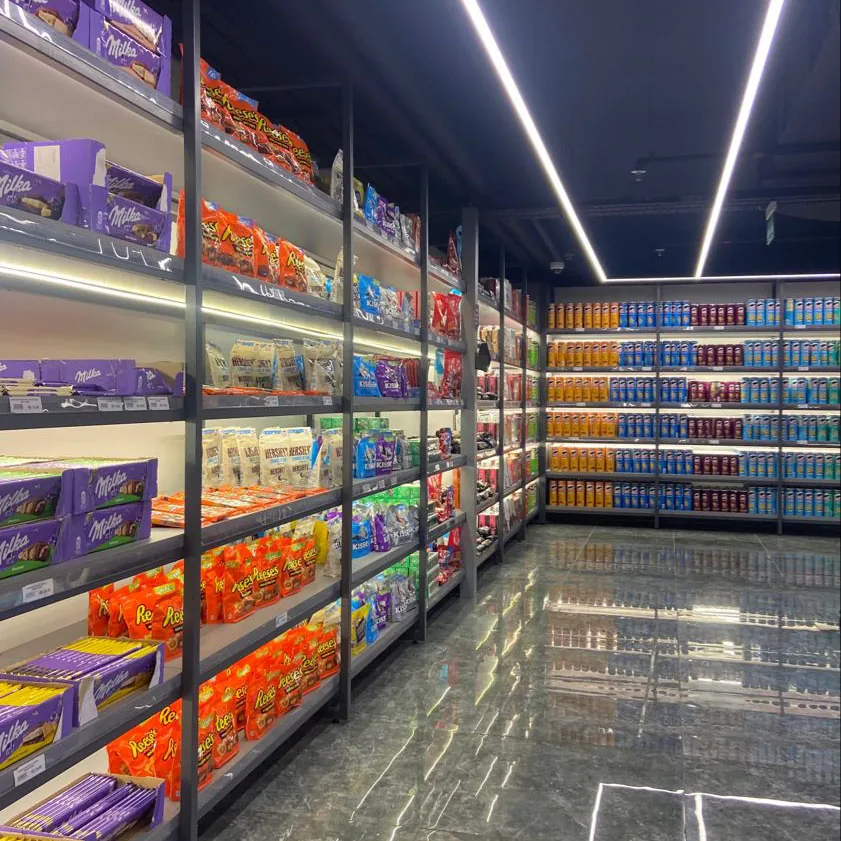
LED Shelf Lighting for Small Business: How to Choose, Install, and Boost Sales
LED shelf lighting for small business is one of the highest-return upgrades a retail store owner can make — yet most small shops still rely on overhead fluorescents that wash out product colors and drive up electricity bills. If you run a convenience store, bo