

How Retailers Are Cutting Energy Costs 20-40% With LED Shelf Lighting Upgrades
Retail stores waste 25-35% of the energy they consume, according to the US Environmental Protection Agency. For a single-location store, that waste translates to $9,000-$18,000 per year in preventable spending. Across a 10-store chain, you are looking at $90,0
On this page
Retail stores waste 25-35% of the energy they consume, according to the US Environmental Protection Agency. For a single-location store, that waste translates to $9,000-$18,000 per year in preventable spending. Across a 10-store chain, you are looking at $90,000-$180,000 leaving the bottom line before a single product is sold.
The largest controllable factor? Lighting. Retail lighting accounts for 10-30% of total operating costs, and most stores still run fluorescent or halogen fixtures that consume far more power than modern LED alternatives. LED shelf lighting retrofits deliver the fastest payback of any retail technology upgrade, and magnetic mounting systems now mean the installation itself takes hours, not days.
The energy math behind LED shelf lighting
The US Department of Energy estimates that commercial buildings waste about one-third of their energy. In retail, lighting is the second-largest energy consumer after HVAC. The gap between old and new lighting technology is not small:
| Lighting Type | Power Consumption | Lifespan | CRI (Color Rendering) |
|---|---|---|---|
| Halogen shelf light | 35-50W per fixture | 2,000 hours | 95-100 |
| Fluorescent tube | 15-30W per fixture | 7,000-15,000 hours | 60-80 |
| LED shelf light | 5-12W per fixture | 50,000+ hours | 90-97 |
A retailer replacing 200 halogen shelf fixtures with LED equivalents drops from about 7,000W total load to about 1,400W. At $0.12 per kWh and 12 hours of daily operation, that is a savings of roughly $29,000 per year on shelf lighting alone.
The payback period for LED shelf lighting retrofits typically falls between 6 and 18 months, depending on local energy rates and the fixtures being replaced. After payback, the savings continue for the 50,000+ hour lifespan of the LED fixtures, which at 12 hours per day works out to more than 11 years of operation.
Why magnetic LED shelf lights change the retrofit equation
The biggest hidden cost in a lighting retrofit is installation labor. Traditional shelf lights require screws, brackets, wiring, and often drilling into the shelf structure. Each fixture takes 15-30 minutes to install. For a 200-fixture store, that is 50-100 hours of labor, plus downtime while aisles are blocked off.
Magnetic LED shelf lights eliminate most of that cost. The fixture snaps onto metal shelving with built-in magnets. No screws, no drilling, no tools. Installation time drops to 2-5 minutes per fixture. The same 200-fixture store completes the retrofit in 7-17 hours instead of 50-100.
This matters for three reasons:
Store stays open during installation. Staff can install magnetic fixtures during slow hours or overnight without closing aisles. For high-traffic stores, avoiding even one day of partial closure can save thousands in lost revenue.
Retrofit scales across locations. A chain rolling out LED upgrades to 20 or 50 stores needs a solution that every store team can execute without hiring electricians. Magnetic mounting makes that possible.
Fixtures are repositionable. When a store changes its layout, magnetic lights move with the shelves. No patching holes, no re-wiring, no new hardware.
Beyond power savings: CRI and product display
Energy savings get the conversation started. But the quality of light matters as much to sales as it does to the utility bill.
Color Rendering Index (CRI) measures how well a light source reveals the true colors of products. On a scale of 0-100, natural sunlight scores 100. Most fluorescent shelf lights score between 60 and 80, which means products under those lights look washed out or off-color.
Modern LED shelf lights designed for retail typically deliver CRI 90-97. For food retail, this difference is visible and measurable: fresh produce looks fresher, meat looks redder, and bakery items look warmer. For cosmetics, clothing, and jewelry retail, accurate color rendering is a direct sales driver. Customers who can see the true color of a product are more likely to buy and less likely to return.
A 2024 study published in the Journal of Retailing found that improving in-store lighting quality increased customer dwell time by 12% and conversion rates by 8% in food retail environments.
The sustainability angle
Retailers face growing pressure from regulators, investors, and customers to reduce energy consumption and carbon emissions. LED lighting is one of the few upgrades that cuts costs and emissions at the same time.
Signify (formerly Philips Lighting) reports that switching to LED retail lighting reduces CO2 emissions by 50-70% per store compared to fluorescent lighting. For chains reporting under ESG frameworks, lighting upgrades produce measurable Scope 2 emission reductions that show up in the first reporting cycle.
Several US states and Canadian provinces also offer utility rebates for commercial LED retrofits. These programs can offset 20-40% of the hardware cost, pushing payback periods below 12 months for most installations.
What to look for in a retail LED shelf lighting supplier
Not all LED shelf lights perform the same way. For retail deployments, the decision factors go beyond wattage and price:
- CRI rating: 90+ for food retail, 95+ for cosmetics and fashion. Ask for test reports, not marketing claims.
- Color temperature consistency: Batches should be within a 3-step MacAdam ellipse to avoid visible color differences between fixtures on the same shelf.
- Mounting system: Magnetic mounting reduces installation cost by 60-80% compared to screw-mounted alternatives.
- Driver quality: The LED driver determines flicker performance and lifespan. Look for drivers rated for 50,000+ hours at the operating temperature of your shelf environment.
- Dimming and control: 0-10V or DALI dimming compatibility lets you adjust light levels for different product categories or time of day.
- Warranty and supply: A 3-year warranty is the minimum. For chain deployments, verify the supplier can deliver consistent product quality across phased rollouts of 1,000+ units.
Where ARMOR fits
ARMOR manufactures magnetic LED shelf lights, LED cabinet lights, and wireless conductive track lighting systems designed for B2B retail deployments. The product range covers supermarket shelf lighting, gondola lighting, fresh food counter lighting, and display case lighting.
ARMOR shelf lights deliver CRI 95+ with magnetic snap-on mounting. The 3-second lamp swap design means store staff can replace a fixture without tools, without an electrician, and without closing the aisle.
For retailers planning a lighting upgrade, ARMOR provides lighting layout consultation, product samples, and volume pricing. Request a quote or explore ARMOR shelf lighting solutions.
Frequently asked questions
How much does it cost to retrofit a retail store with LED shelf lighting?
For a mid-size supermarket with 200-400 shelf light fixtures, the hardware cost ranges from $8,000 to $25,000 depending on fixture type and CRI rating. Magnetic LED shelf lights reduce installation labor costs by 60-80% compared to screw-mounted fixtures. Utility rebates in many US states and Canadian provinces can offset 20-40% of the hardware cost.
What is the payback period for LED shelf lighting?
The typical payback period is 6-18 months. Stores replacing halogen fixtures see the fastest payback (6-12 months) because the energy gap is largest. Stores replacing fluorescent fixtures typically see 12-18 month payback. After payback, the savings continue for 10+ years.
Does LED shelf lighting affect how products look?
Yes, and for the better. Modern LED shelf lights with CRI 90-97 render product colors closer to natural light than fluorescent or halogen alternatives. In food retail, produce looks fresher and meat looks more appealing. In cosmetics and fashion, customers see true product colors, which reduces returns and increases conversion.
Can I install magnetic LED shelf lights without closing the store?
Yes. Magnetic LED shelf lights snap onto metal shelving without tools or drilling. Staff can install them during slow hours or overnight without blocking aisles. A typical 200-fixture retrofit takes 7-17 hours total with magnetic mounting.
How long do LED shelf lights last?
Quality LED shelf lights last 50,000+ hours. At 12 hours of daily operation, that works out to more than 11 years. The LED driver usually determines actual lifespan, so look for drivers rated at the operating temperature of your shelf environment.
Do LED shelf lights work with dimming systems?
Most commercial LED shelf lights support 0-10V or DALI dimming. This lets you adjust light levels for different product zones (brighter for fresh food, warmer for bakery) or reduce output during off-peak hours to save additional energy.
Related Product Families
- Shelf & Cabinet Lighting
Browse ARMOR shelf and cabinet lighting products for retail fixtures, gondolas, showcases, and cabinets.
Retail Lighting →
Planning a Retail Lighting Project?
Need help applying this lighting approach to your fixture?
If you're evaluating retail lighting, fixture lighting, or lighting configuration for a fixture, tell us what you're working on.
Related to what you're reading
How Retailers Are Cutting Energy Costs 20-40% With LED Shelf Lighting Upgrades
Related Articles
View All Articles »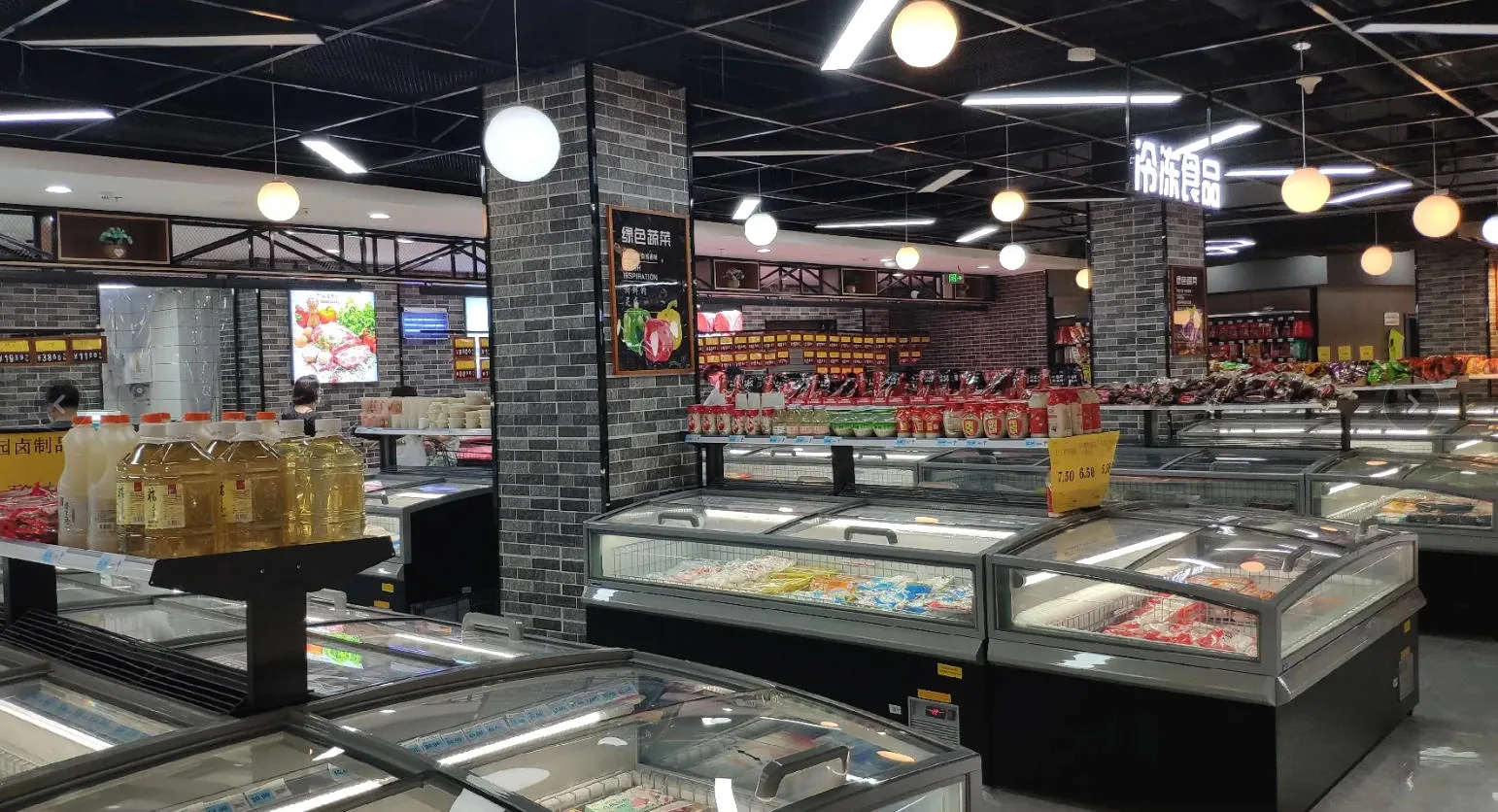
Best Grocery Store Categories for LED Shelf Lighting: A Buyer's Guide
Not every shelf in a grocery store needs the same light. A deli case and a beverage cooler serve different products, different shoppers, and different margins. But one thing is consistent: grocery store shelf lighting directly affects how shoppers see and buy
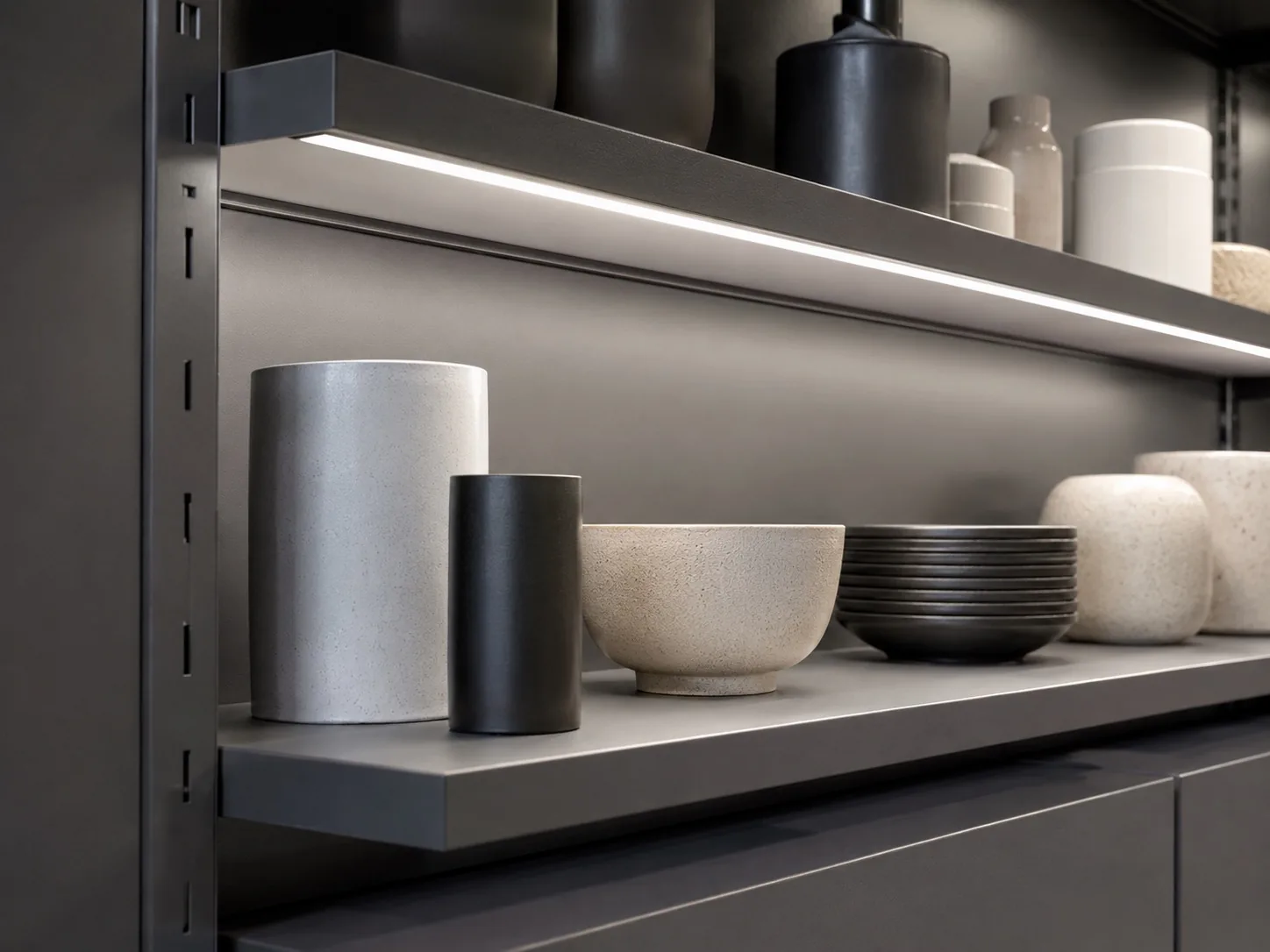
How Wireless Conductive Technology Powers Retail Shelf Lighting Without Wires
Wireless conductive shelf lighting delivers power through conductive surfaces integrated directly into a shelf rail profile. LED bars snap magnetically into the track and receive electricity through contact points — no traditional wiring, no batteries, no exte
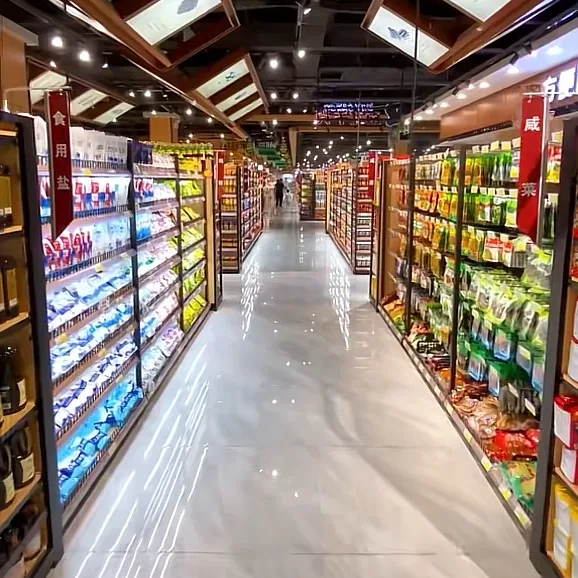
Setting Shelf-Level Specs for Product-Focused Retail Lighting
Ceiling accent spots do their best work on feature walls and end caps, where a narrow beam has a clear path. On a packed gondola, that beam can be blocked before it reaches a stocked middle shelf. The aisle may look bright while the second or third shelf remai

Why Fresh Food Display Lighting Is the First Lighting Decision Supermarkets Regret Getting Wrong
Every supermarket makes two lighting decisions at the planning stage: the ambient lighting for the overall store, and the shelf lighting for product displays. The second one gets less budget attention — and that is where the regrets start. Fresh food display l