

Retrofit Guide: Replacing Wired Shelf Lighting with Wireless Track Systems
Retailers with aging wired shelf lighting face a choice. Repair the existing system, replace it with new wired fixtures, or switch to wireless conductive track. This guide covers the third option. Wireless track systems eliminate the infrastructure that makes
On this page
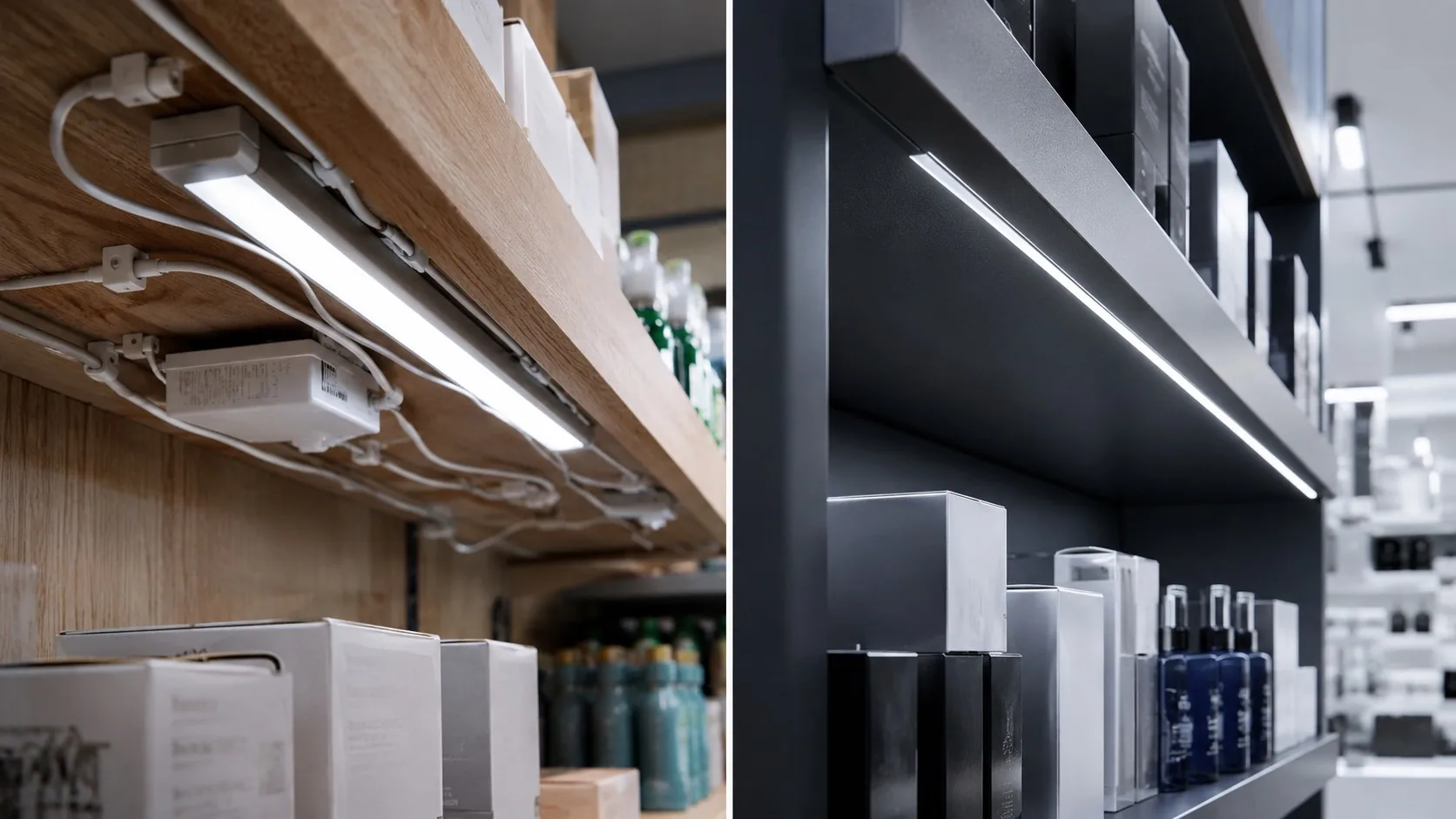
Retailers with aging wired shelf lighting face a choice. Repair the existing system, replace it with new wired fixtures, or switch to wireless conductive track. This guide covers the third option. Wireless track systems eliminate the infrastructure that makes traditional lighting expensive to maintain. No junction boxes. No conduit. No electrician for every lamp reposition. For stores planning a retrofit, the switch reduces installation time and future maintenance cost.
When Retrofit Makes Sense
Three conditions favor replacement over repair: Frequent layout changes. Seasonal resets, promotional zones, and new product launches require moving fixtures. Wired systems need an electrician for every change. Wireless tracks let staff reposition lamps in seconds. High maintenance cost. Failed drivers, corroded connections, and damaged wiring accumulate. If annual maintenance exceeds 15 percent of replacement cost, retrofit pays for itself. Renovation timing. Stores already planning shelf replacement, flooring updates, or ceiling work can bundle lighting retrofit into the same contractor schedule. Coordinated installation cuts total downtime.
Pre-Installation Assessment
Before ordering materials, survey the existing installation: Power source location. Identify where the current system draws power. Wireless tracks still need a driver, but placement is more flexible. Locate the nearest 110V or 220V outlet. Shelf material and profile. Magnetic tracks attach to steel shelving. Wood, aluminum, or glass shelves need adhesive mounting or clip systems. Measure shelf depth and underside clearance. Current load and coverage. Count existing fixtures and total wattage. Wireless tracks typically run at 24V or 48V DC with lower current draw. Size the new driver based on lamp count, not old wattage. Downtime window. Plan installation during closed hours or low-traffic periods. A typical supermarket aisle takes four to six hours to retrofit.
The Retrofit Process
Step 1: Power Down and Remove Old Fixtures
Turn off power at the breaker. Remove existing lamps, drivers, and wiring. Leave shelf structure intact. Dispose of electronic waste per local regulations. Time: one to two hours per aisle.
Step 2: Mount the Wireless Track
Attach the conductive rail to the shelf underside. Magnetic tracks snap onto steel shelving. For other materials, use adhesive strips or mounting clips. Track sections connect end-to-end. Power feeds from either end. No junction boxes needed. Time: thirty minutes per shelf section.
Step 3: Install the Driver
Mount the DC driver in a concealed location — above the shelf, in a cabinet, or behind a panel. Connect to mains power. Run low-voltage cable to the track end. ARMOR drivers include overload protection and dimming compatibility. Size based on total lamp wattage plus 20 percent margin. Time: forty-five minutes per zone.
Step 4: Attach Lamps and Test
Snap lamps onto the track. They light immediately on contact. Test every position. Adjust lamp spacing for even coverage. Staff can reposition without tools. Test this during installation to confirm flexibility. Time: fifteen minutes per shelf section.
Step 5: Cleanup and Handover
Remove debris. Update store lighting plans. Train staff on lamp repositioning and basic troubleshooting. Total downtime per aisle: four to six hours. A full store retrofits over one to three nights depending on size.
Cost Comparison: Repair vs. Retrofit
| Cost Factor | Repair Wired System | Replace Wired | Retrofit Wireless |
|---|---|---|---|
| Material per meter | $15-25 | $25-40 | $30-45 |
| Installation per meter | $20-30 | $30-50 | $15-25 |
| Electrician required | Yes | Yes | No (after initial driver) |
| Lamp repositioning | $80-150 per move | $80-150 per move | $0 (staff-operated) |
| System lifespan | 5-7 years | 7-10 years | 15+ years (track) |
| Annual maintenance | 10-15% of value | 5-8% of value | 2-3% of value |
Wireless track costs more upfront. Savings come from eliminated electrician calls, faster layout changes, and longer infrastructure life.
Common Retrofit Challenges
Uneven shelf surfaces. Warped or damaged shelves need leveling before track mounting. Budget extra time for prep work. Power access limitations. Some aisles lack nearby outlets. Extension runs or additional drivers solve this but add cost. Staff training gaps. Employees accustomed to fixed lighting may not realize repositioning is now self-service. Brief training prevents missed opportunities.
ARMOR Retrofit Support
ARMOR provides retrofit planning assistance including site surveys, material lists, installation guides, and staff training materials. Pilot programs are available for single-store testing before chain-wide rollout. Contact: Lisa@armorlighting.com | +86 13672469002
Related Product Families
- Power Track Systems
Browse ARMOR power track system products for modular, conductive, and magnetic retail fixture lighting.
Power Track →
Planning a Retail Lighting Project?
Need help applying this lighting approach to your fixture?
If you're evaluating retail lighting, fixture lighting, or lighting configuration for a fixture, tell us what you're working on.
Related to what you're reading
Retrofit Guide: Replacing Wired Shelf Lighting with Wireless Track Systems
Related Articles
View All Articles »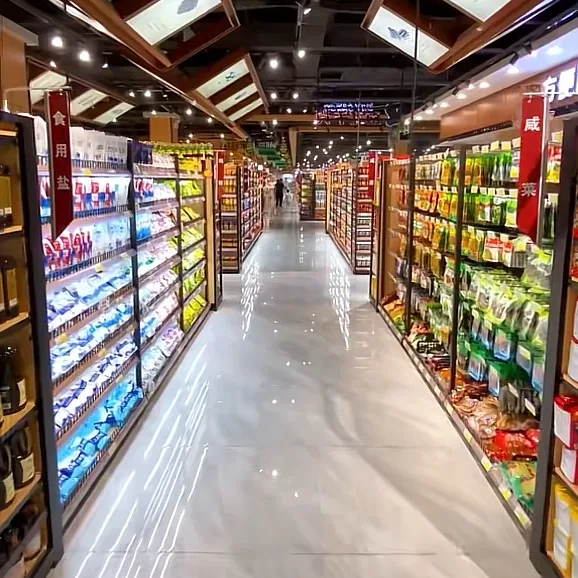
Setting Shelf-Level Specs for Product-Focused Retail Lighting
Ceiling accent spots do their best work on feature walls and end caps, where a narrow beam has a clear path. On a packed gondola, that beam can be blocked before it reaches a stocked middle shelf. The aisle may look bright while the second or third shelf remai
Best Grocery Store Categories for LED Shelf Lighting: A Buyer's Guide
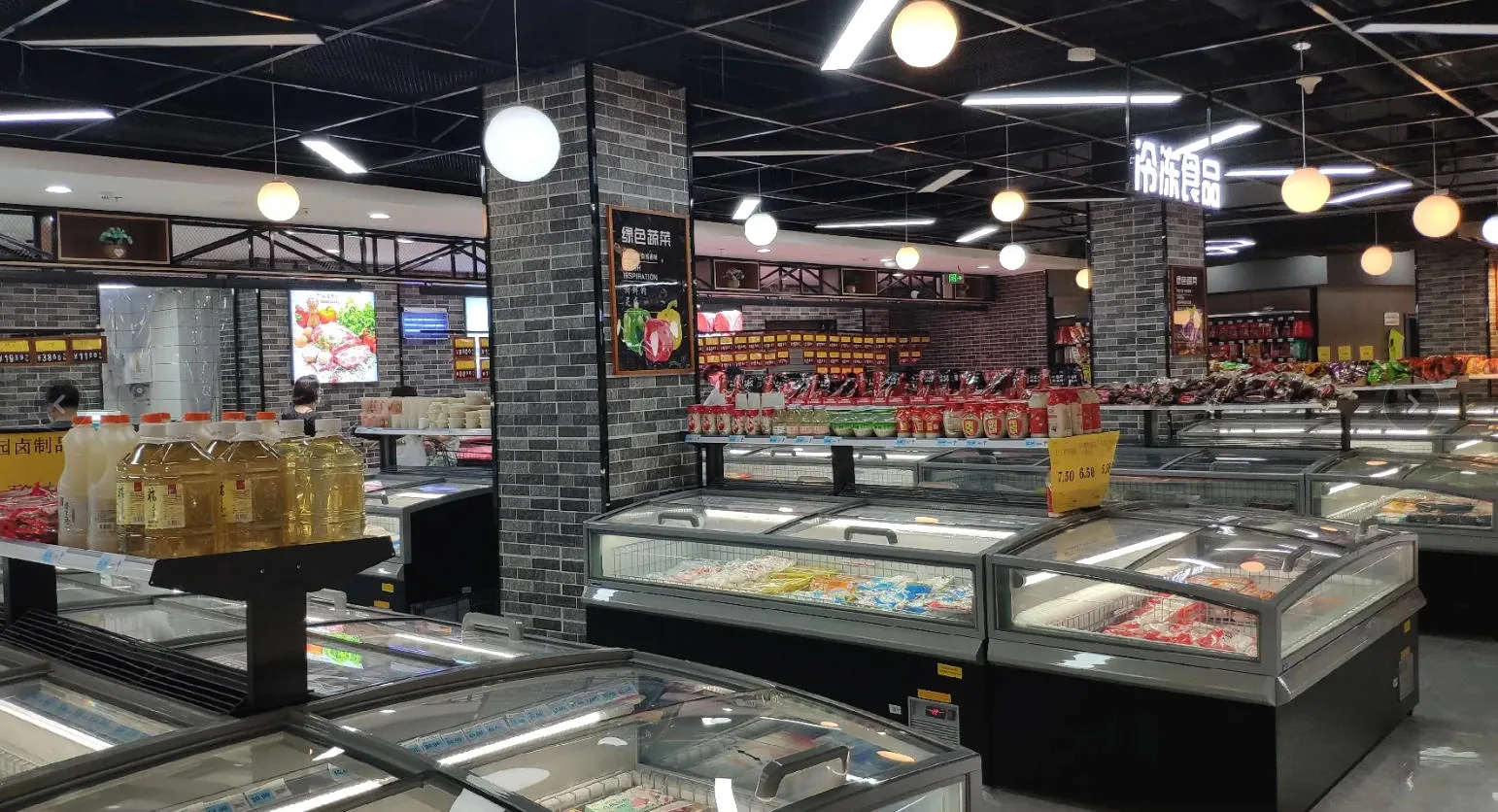
Not every shelf in a grocery store needs the same light. A deli case and a beverage cooler serve different products, different shoppers, and different margins. But one thing is consistent: grocery store shelf lighting directly affects how shoppers see and buy

Why Fresh Food Display Lighting Is the First Lighting Decision Supermarkets Regret Getting Wrong
Every supermarket makes two lighting decisions at the planning stage: the ambient lighting for the overall store, and the shelf lighting for product displays. The second one gets less budget attention — and that is where the regrets start. Fresh food display l
Why Retail Chains Are Installing Shelf Lighting Without an Electrician in 2026
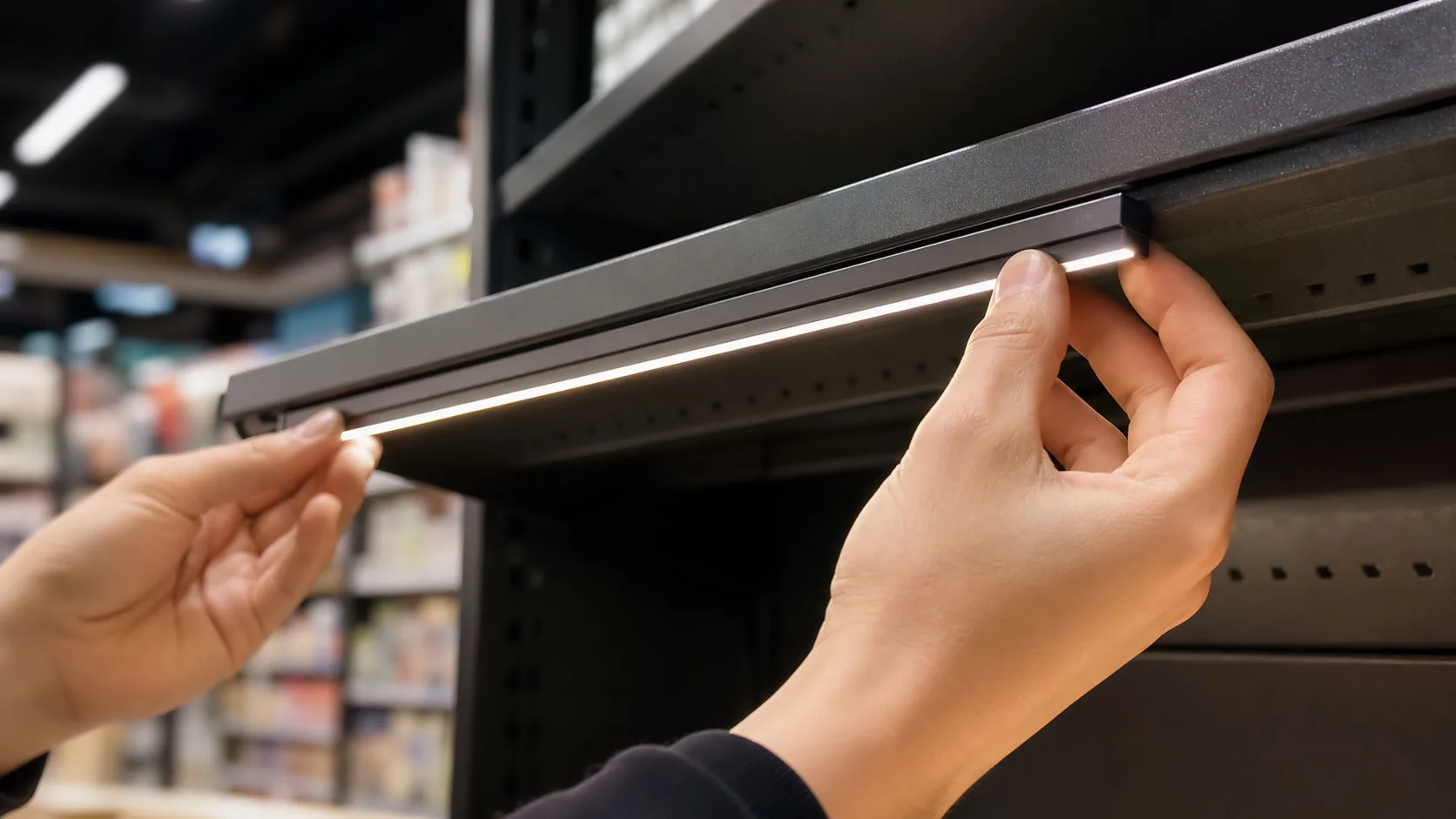
Every retail chain that has upgraded shelf lighting in the past decade has hit the same wall: the fixture is ready, the budget is approved, and then you have to wait three weeks for a licensed electrician to wire it. That wall is becoming less necessary. In 20