

Retail Shelf Lighting Energy Costs: How LED Retrofits Pay for Themselves in 12–18 Months
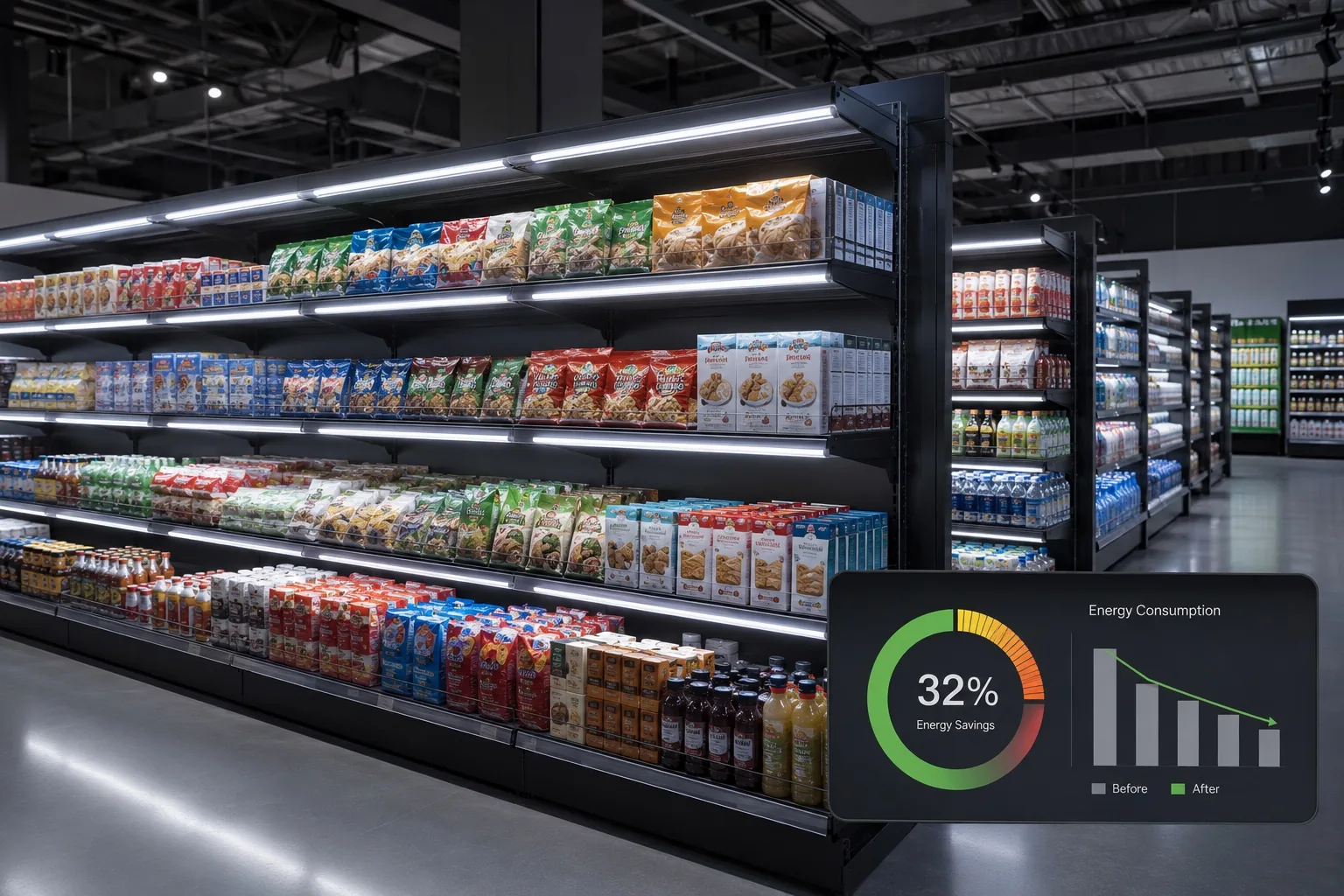
Every shelf in your store has a light on it. Multiply that by hundreds of shelves, running 12–16 hours a day, 365 days a year — and the retail shelf lighting energy cost becomes one of the largest line items in your operating budget that nobody talks about. Mo
On this page
Every shelf in your store has a light on it. Multiply that by hundreds of shelves, running 12–16 hours a day, 365 days a year — and the retail shelf lighting energy cost becomes one of the largest line items in your operating budget that nobody talks about.
Most store managers know their total electricity bill. Very few know how much of that bill goes to shelf lighting. The answer, for most retail stores, is between 25% and 40% of total lighting energy — and that percentage climbs higher in stores with extensive refrigerated sections where both the lights and the cooling system run simultaneously.
The Real Cost of Fluorescent Shelf Lighting
Traditional fluorescent tube fixtures — T8 and T12 tubes — have been the default for retail shelf lighting for decades. They are cheap to buy and easy to replace. But their operating cost is far from cheap.
A standard T8 fluorescent tube consumes 32 watts. A typical gondola shelf section uses 2–4 tubes per shelf, with 4–6 shelves per bay. That means a single gondola bay draws between 256 watts and 768 watts just for shelf lighting.
Scale that across a mid-size supermarket with 200 gondola bays, running 14 hours per day:
| Metric | Fluorescent T8 | LED Equivalent |
|---|---|---|
| Watts per shelf | 64W (2× 32W tubes) | 16W (LED bar) |
| Watts per bay (5 shelves) | 320W | 80W |
| Watts per store (200 bays) | 64,000W | 16,000W |
| Daily consumption (14 hrs) | 896 kWh | 224 kWh |
| Annual consumption | 327,040 kWh | 81,760 kWh |
| Annual cost at $0.12/kWh | $39,245 | $9,811 |
The fluorescent fixture costs less upfront. But the energy math is brutal: $29,434 per year in additional electricity costs compared to LED.
Why the Payback Period Is Shorter Than You Think
The 12–18 month payback estimate is not theoretical. It comes from three compounding factors:
1. Energy reduction (50–75%). LED shelf lights consume 50–75% less electricity than fluorescent equivalents. At $0.12/kWh, a single gondola bay saves approximately $147 per year by switching from fluorescent to LED. Across 200 bays, that is $29,400 annually.
2. Maintenance elimination. Fluorescent tubes have a rated life of 15,000–20,000 hours. At 14 hours per day, that is 3–4 years before replacement. But tubes degrade before they fail — output drops 20–30% in the last 20% of their life, meaning the store is paying full electricity cost for progressively dimmer light. LED shelf lights are rated for 50,000+ hours (10+ years at 14 hours/day) with no degradation in output.
3. Cooling load reduction. This is the hidden factor most retailers overlook. Fluorescent tubes convert approximately 30% of their energy into light and 70% into heat. That heat must be removed by the store’s HVAC system. In refrigerated sections, the cooling system works even harder. LED fixtures convert 40–50% of energy into light and run significantly cooler. The reduced cooling load saves an additional 5–15% on total energy costs.
Combining all three factors:
| Cost Component | Annual Savings (200-bay store) |
|---|---|
| Electricity reduction | $29,400 |
| Maintenance labor + parts | $2,800 |
| HVAC cooling load reduction | $4,200 |
| Total annual savings | $36,400 |
With a typical LED retrofit investment of $30,000–$45,000 for 200 bays, the payback period lands between 10 and 15 months — well within the 12–18 month range.
How to Calculate Your Store’s Shelf Lighting Energy Cost
The calculation is straightforward:
Annual cost = (Number of shelves) × (Watts per shelf) × (Hours per day) × (Days per year) × (Electricity rate per kWh) ÷ 1000For a quick estimate:
- Count your shelf fixtures. Walk the floor and count the number of individual light fixtures under shelves.
- Check the wattage. Look at the label on the fixture or the tube. T8 tubes are typically 32W. T5 tubes are 14–28W.
- Multiply by operating hours. Most retail stores run 12–16 hours per day.
- Apply your electricity rate. Check your utility bill for the rate per kWh. Commercial rates vary from $0.08 to $0.20+ depending on location.
For a more precise calculation, ARMOR offers a retail lighting review that includes a store-by-store energy cost breakdown and projected savings. Explore ARMOR retail lighting.
Beyond Energy: The Operational Benefits of LED Shelf Lighting
Energy savings are the headline, but the operational benefits extend further:
- Consistent light quality. LED shelf lights maintain rated output throughout their lifespan. No gradual dimming like fluorescent tubes.
- Instant on. LED fixtures reach full brightness immediately. No warm-up period, no flickering.
- Directional light. LEDs emit light in a specific direction, reducing wasted light that illuminates the ceiling instead of the products.
- Lower heat emission. Products under LED shelf lights stay cooler — particularly important for chocolate, cosmetics, and temperature-sensitive items.
- Reduced waste. LED fixtures do not contain mercury or other hazardous materials. No special disposal requirements.
The magnetic LED bar light installation method also means store staff can replace or reposition fixtures without calling an electrician — reducing maintenance response time from days to minutes.
FAQ
How much does retail shelf lighting cost per month?
A mid-size supermarket with 200 gondola bays using fluorescent T8 tubes spends approximately $3,270 per month on shelf lighting energy alone. The same store using LED shelf lights would spend approximately $818 per month — a 75% reduction.
What is the typical payback period for LED shelf lighting?
Most retail stores achieve full payback within 12–18 months through combined savings in electricity, maintenance, and reduced HVAC load. Stores in regions with higher electricity rates (above $0.15/kWh) often see payback in under 12 months.
Do LED shelf lights use less energy than fluorescent?
Yes. LED shelf lights consume 50–75% less electricity than equivalent fluorescent fixtures. A 16W LED bar produces the same light output as a 64W dual T8 fluorescent tube setup.
Can I retrofit LED into my existing shelf fixtures?
In most cases, a full fixture replacement is more cost-effective than retrofitting LED tubes into existing fluorescent housings. The installation process for magnetic LED bars is faster and produces cleaner results than tube replacement.
How do I reduce retail lighting energy costs?
The most impactful step is replacing fluorescent shelf lighting with LED. Beyond that, consider installing occupancy sensors in low-traffic areas, using daylight harvesting near windows, and scheduling lighting to match store hours.
ARMOR manufactures energy-efficient LED shelf lighting for retail stores worldwide. For a custom energy cost analysis or sample fixtures, contact lisa@armorlighting.com or visit armorlighting.com.
Related Product Families
- Shelf & Cabinet Lighting
Browse ARMOR shelf and cabinet lighting products for retail fixtures, gondolas, showcases, and cabinets.
Retail Lighting →
Planning a Retail Lighting Project?
Need help applying this lighting approach to your fixture?
If you're evaluating retail lighting, fixture lighting, or lighting configuration for a fixture, tell us what you're working on.
Related to what you're reading
Retail Shelf Lighting Energy Costs: How LED Retrofits Pay for Themselves in 12–18 Months
Related Articles
View All Articles »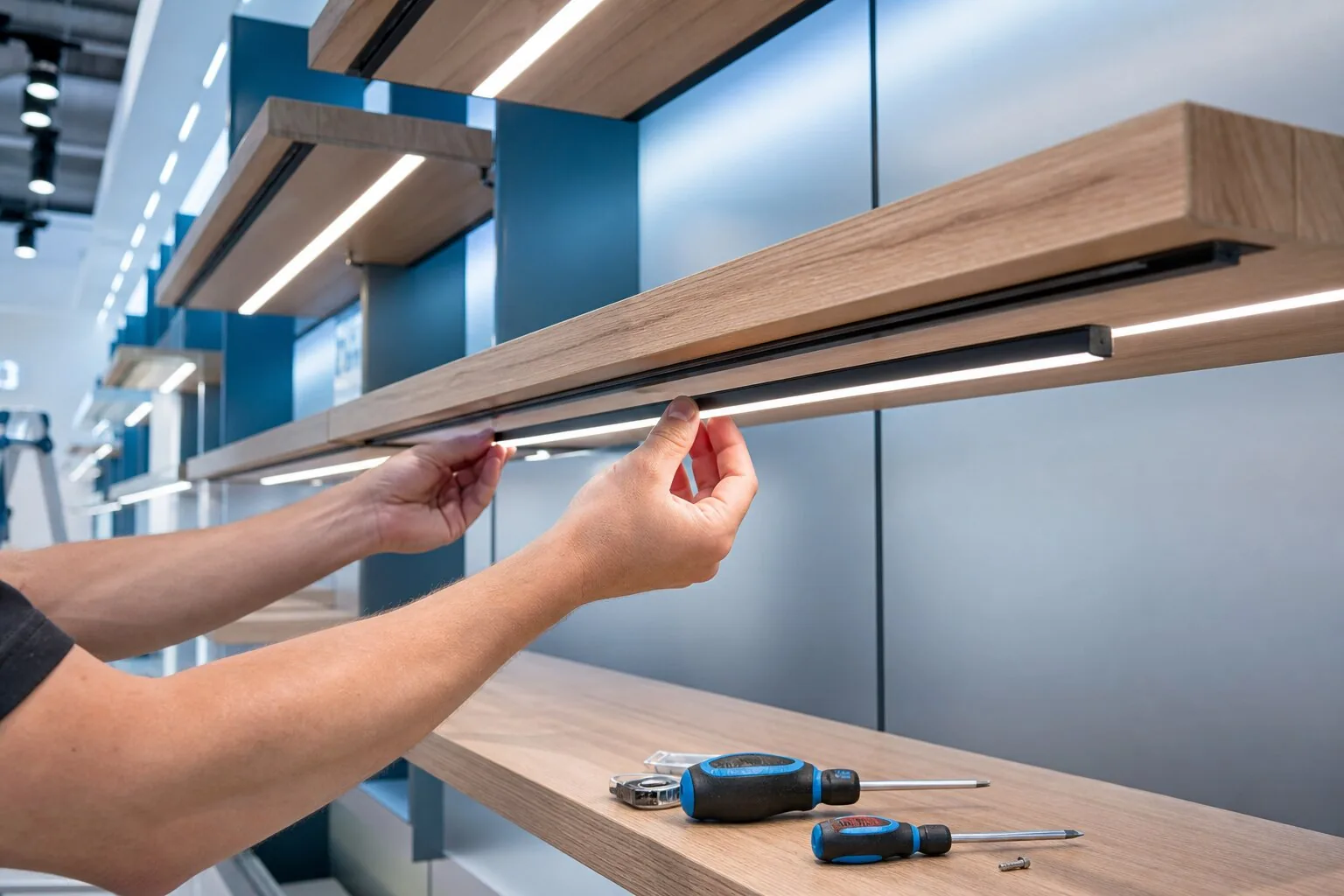
LED Shelf Lighting Installation: A Step-by-Step Guide for Retailers
Installing LED shelf lighting sounds straightforward until you are standing in a store at 2 AM with a fixture that does not fit and a driver that hums. Most installation problems stem from skipping the planning phase. This guide covers what actually matters wh
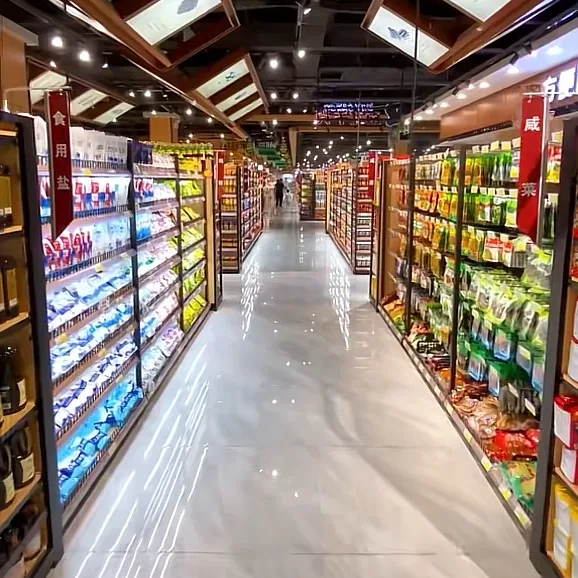
Setting Shelf-Level Specs for Product-Focused Retail Lighting
Ceiling accent spots do their best work on feature walls and end caps, where a narrow beam has a clear path. On a packed gondola, that beam can be blocked before it reaches a stocked middle shelf. The aisle may look bright while the second or third shelf remai
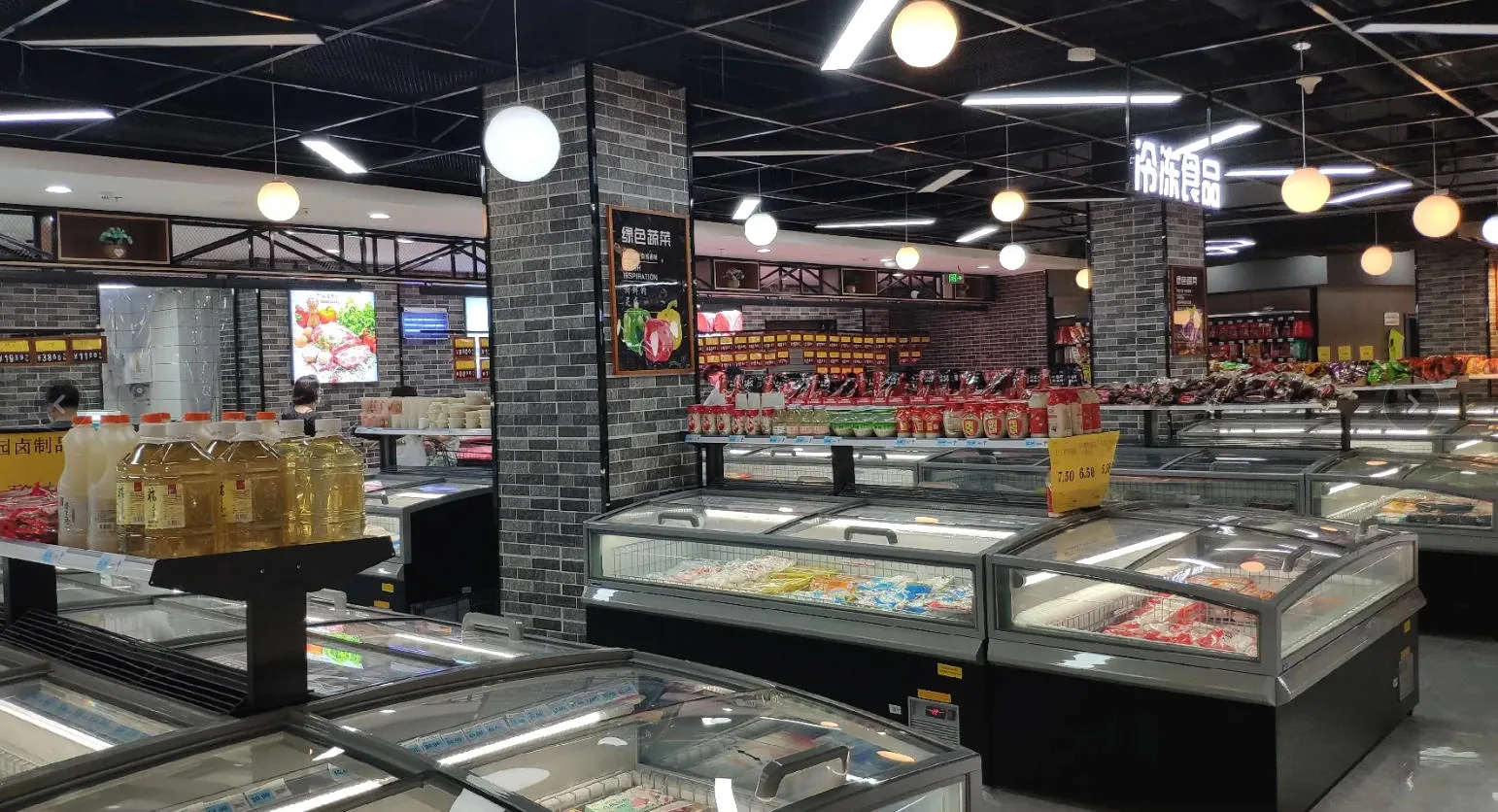
Best Grocery Store Categories for LED Shelf Lighting: A Buyer's Guide
Not every shelf in a grocery store needs the same light. A deli case and a beverage cooler serve different products, different shoppers, and different margins. But one thing is consistent: grocery store shelf lighting directly affects how shoppers see and buy

Why Fresh Food Display Lighting Is the First Lighting Decision Supermarkets Regret Getting Wrong
Every supermarket makes two lighting decisions at the planning stage: the ambient lighting for the overall store, and the shelf lighting for product displays. The second one gets less budget attention — and that is where the regrets start. Fresh food display l