

Electronic Shelf Labels (ESL) — Technology Overview and Retail Application Guide
Electronic Shelf Labels replace paper price tags with digital displays that update wirelessly. This guide explains how ESL systems work and what to consider when specifying them for retail environments.

On this page
Electronic Shelf Labels (ESLs) are digital display devices that replace paper price labels at the shelf edge. Rather than manually printing and replacing paper labels when prices change, ESL systems update wirelessly through a central management platform. This guide explains how ESL technology works and what to consider when specifying it for retail environments.
What Are Electronic Shelf Labels?
Electronic Shelf Labels are small digital displays that attach to retail shelving to show product prices, descriptions, and other information. They connect wirelessly to a management system that pushes updates from the retailer’s pricing database to the shelf display.
Most ESLs use e-paper (electronic ink) display technology — the same display type used in e-readers. E-paper displays are readable in all lighting conditions, consume very little power during operation, and only draw power when the display content changes.
How ESL Systems Work
An ESL system consists of three main components working together:
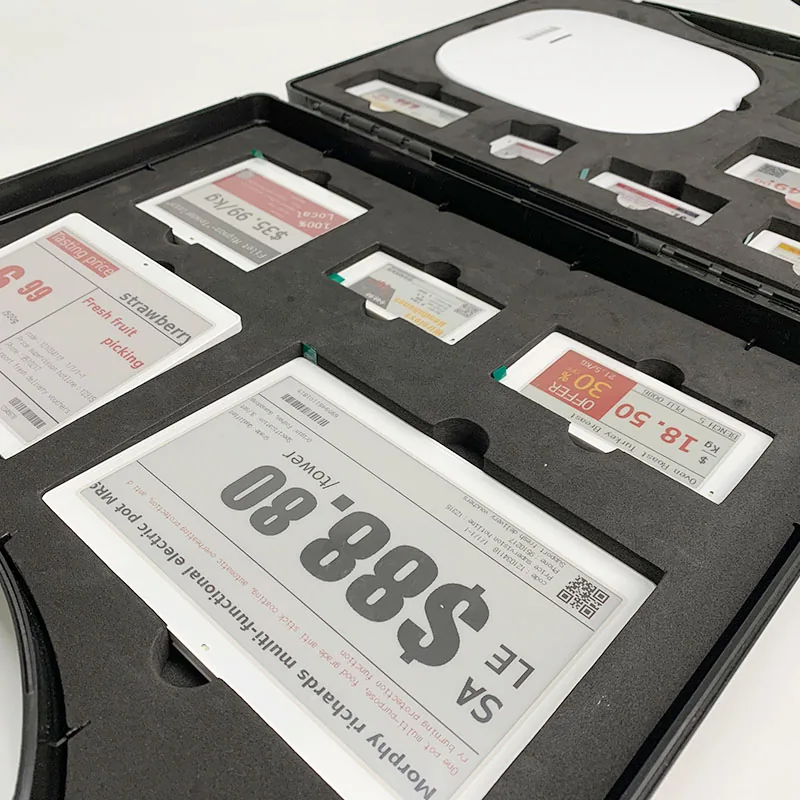
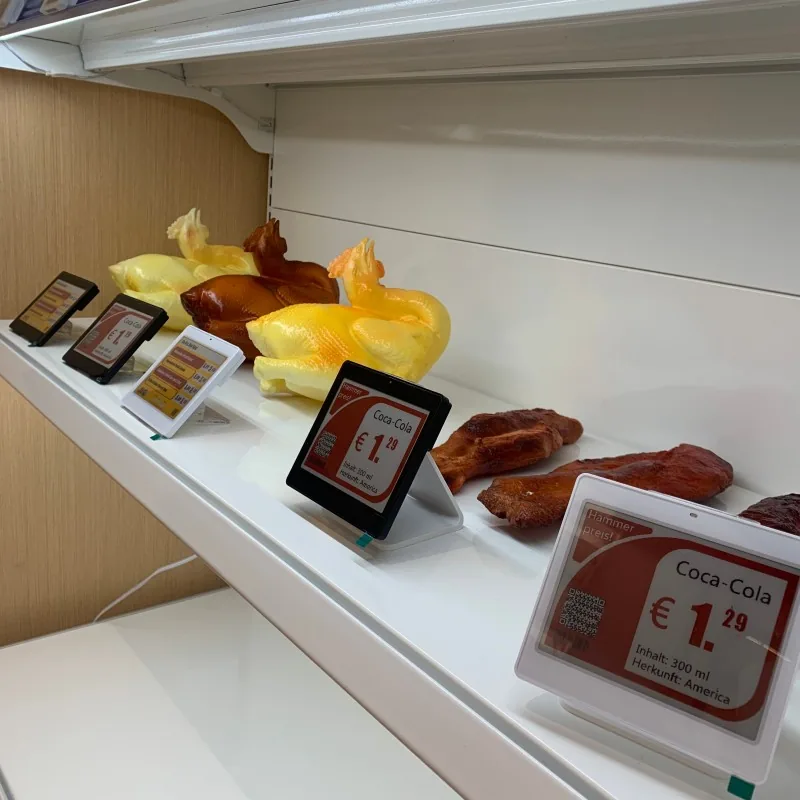
ESL Display Tags attach to shelf edges and display product information. They are available in various sizes and display configurations (black/white, black/white/red, full color) to suit different retail environments and product categories.
Access Points are wireless communication hubs installed throughout the store. They communicate with the ESL tags and relay updates from the management system.
Management Software connects to the retailer’s pricing database and distributes price updates to the relevant tags. When a price changes in the system, the update is transmitted to the corresponding ESL tags.
Operational Advantages
Reduced Manual Labeling Work
Paper label replacement requires staff to print labels, locate the correct shelf position, and physically replace each label. ESL systems automate this process — price updates are distributed wirelessly without manual intervention at the shelf.
Pricing Consistency
Manual label changes introduce the risk of errors — incorrect labels, outdated prices, or discrepancies between shelf and checkout prices. ESL systems ensure that the price displayed at the shelf reflects the current price in the management system.
Dynamic Pricing Capability
ESLs enable retailers to update prices across the store quickly — supporting promotional pricing, time-limited offers, and inventory-driven price adjustments without the labor requirement of manual label replacement.
Extended Product Information Display
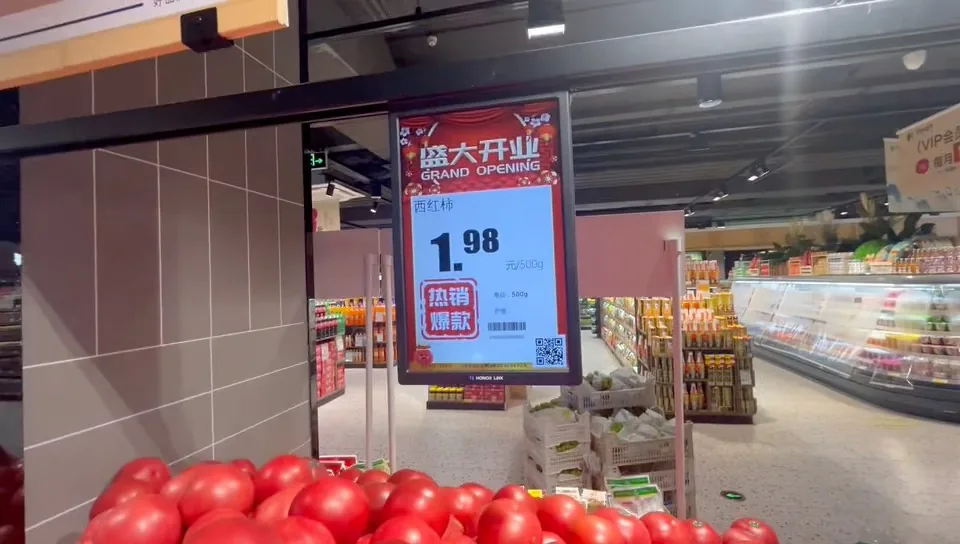
Depending on display size, ESLs can show product name, price, promotional messaging, nutritional information, and QR codes for additional product information — more information than a standard paper label can practically display.
ARMOR Retail Digital System — ESL Products
ARMOR’s Retail Digital System includes ESL products for retail shelf applications:
Standard E-Paper ESLs
Available in multiple display sizes for standard shelf edge labeling. Suitable for supermarkets, pharmacies, and general retail environments where price and basic product information are the primary display requirements.
Full-Color ESLs
Full-color e-paper displays for premium retail environments where brand colors, product images, and rich promotional content are required at the shelf.
Implementation Considerations
Store Layout and Coverage
The number of access points required depends on store size, layout, and the total number of ESL tags. A site assessment is recommended before specifying the system to ensure adequate wireless coverage.
System Integration
ESL management software needs to connect to the retailer’s existing pricing database or ERP system. Integration requirements vary depending on the retailer’s existing systems and the ESL platform being deployed.
Rollout Approach
For large retail environments, a phased deployment — starting with a pilot area before expanding to the full store — allows the system to be validated and staff to be trained before full-scale rollout.
ESL as Part of ARMOR’s Integrated Retail Display System
ARMOR positions ESL as the information layer within its Integrated Retail Display System — working alongside Retail Lighting (visual layer) and Power Track (infrastructure layer). The three systems are designed to be compatible and can be specified together for retail fixture manufacturers and brand store projects.
Contact ARMOR to discuss ESL specifications for your retail project or fixture design.
Related Product Families
- Electronic Shelf Labels
Browse ARMOR electronic shelf label products for dynamic pricing and product information at retail shelves.
Retail Digital →
Planning a Retail Digital Project?
Need help applying this digital shelf approach to your project?
If you're evaluating ESL, digital shelf, or retail digital systems for a project, tell us what you're working on.
Related to what you're reading

Electronic Shelf Labels (ESL) — Technology Overview and Retail Application Guide
Related Articles
View All Articles »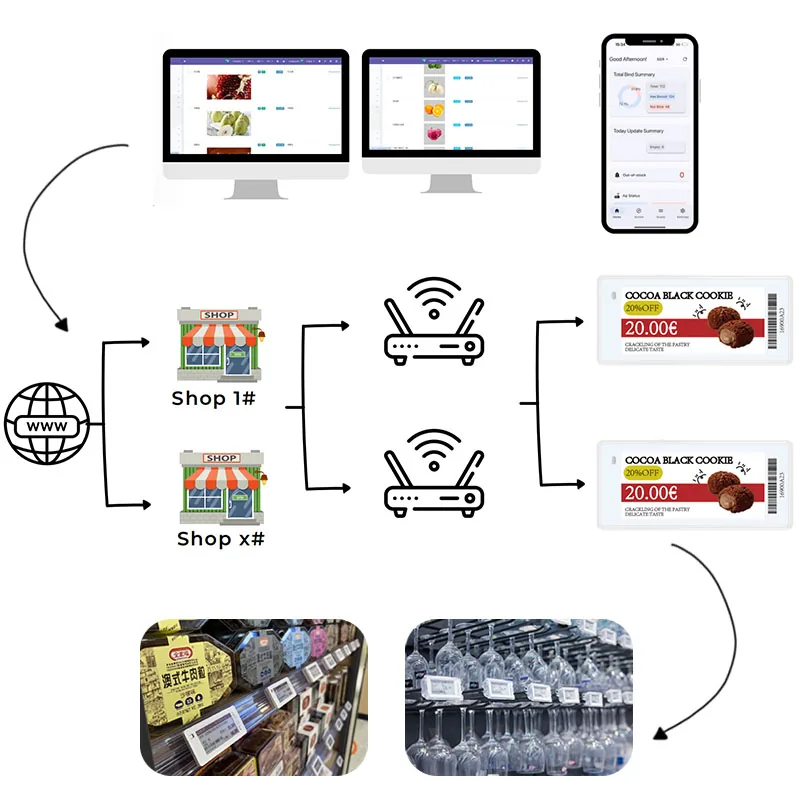
Unlocking Retail Efficiency: How Electronic Shelf Labels Meet Evolving Customer Demands
In today’s rapidly evolving retail environment, the pressure to deliver seamless, accurate, and engaging in-store experiences is higher than ever. As digital transformation accelerates, retailers are searching for innovative solutions to streamline operations,
How Electronic Shelf Labels (ESL) Enhance Store Efficiency and Customer Experience
How Electronic Shelf Labels (ESL) Enhance Store Efficiency and Customer Experience Introduction In today’s fast-paced retail landscape, technology is driving transformation at every level. One of the most impactful innovations in recent years is the adoption o
When Does an LCD Shelf Label Earn Its Cost in a Retail Media Program?
An LCD shelf label earns its higher cost in a retail media program only where the screen can be sold as media: a zone with a funded campaign calendar, continuous power, and proof-of-play expectations. Where the job is mainly accurate pricing across dense SKU a
Retail Lighting & ESL Solutions | Armor Lighting Co., LTD
Illuminating the Future of Retail: How Armor Lighting is Shaping Smarter, More Captivating Stores In the competitive world of retail, every detail matters. The right lighting can transform a simple space into an immersive brand experience, guiding customer emo