

Why Wireless Track Lighting Is Redefining Retail Merchandising in 2026
The Hidden Cost of Traditional Track Systems Retailers have put up with track lighting for decades. The installation tears up ceilings. The wiring costs pile up. And every time the floor plan changes, the electrician comes back. A 200-square-meter flagship sto
On this page
The Hidden Cost of Traditional Track Systems
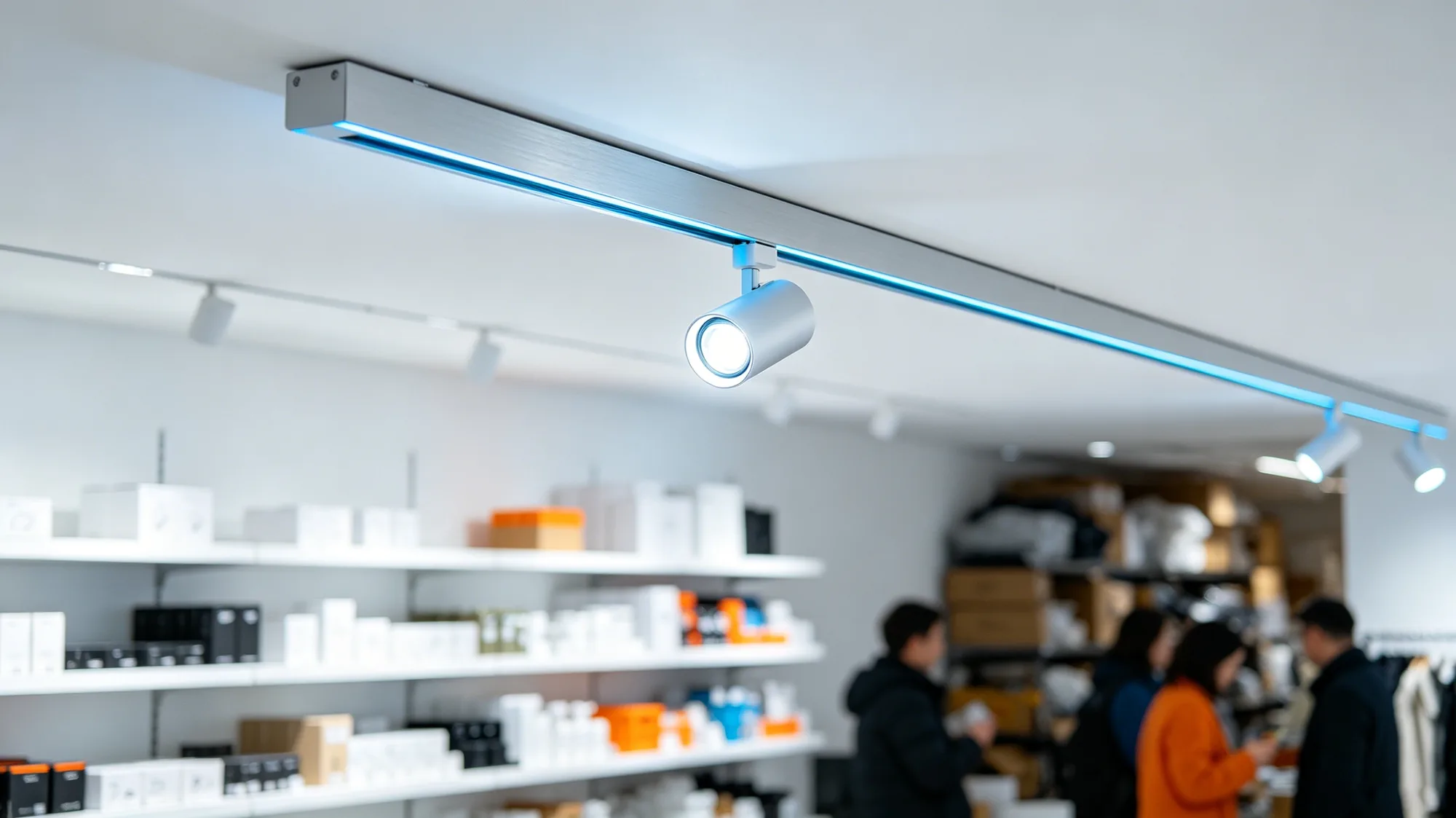
Retailers have put up with track lighting for decades. The installation tears up ceilings. The wiring costs pile up. And every time the floor plan changes, the electrician comes back. A 200-square-meter flagship store can sink 15–20% of its renovation budget into track installation alone. Worse, the merchandising team is stuck with whatever layout the electrician wired in. Want to move a spotlight three meters left? That’s another service call. 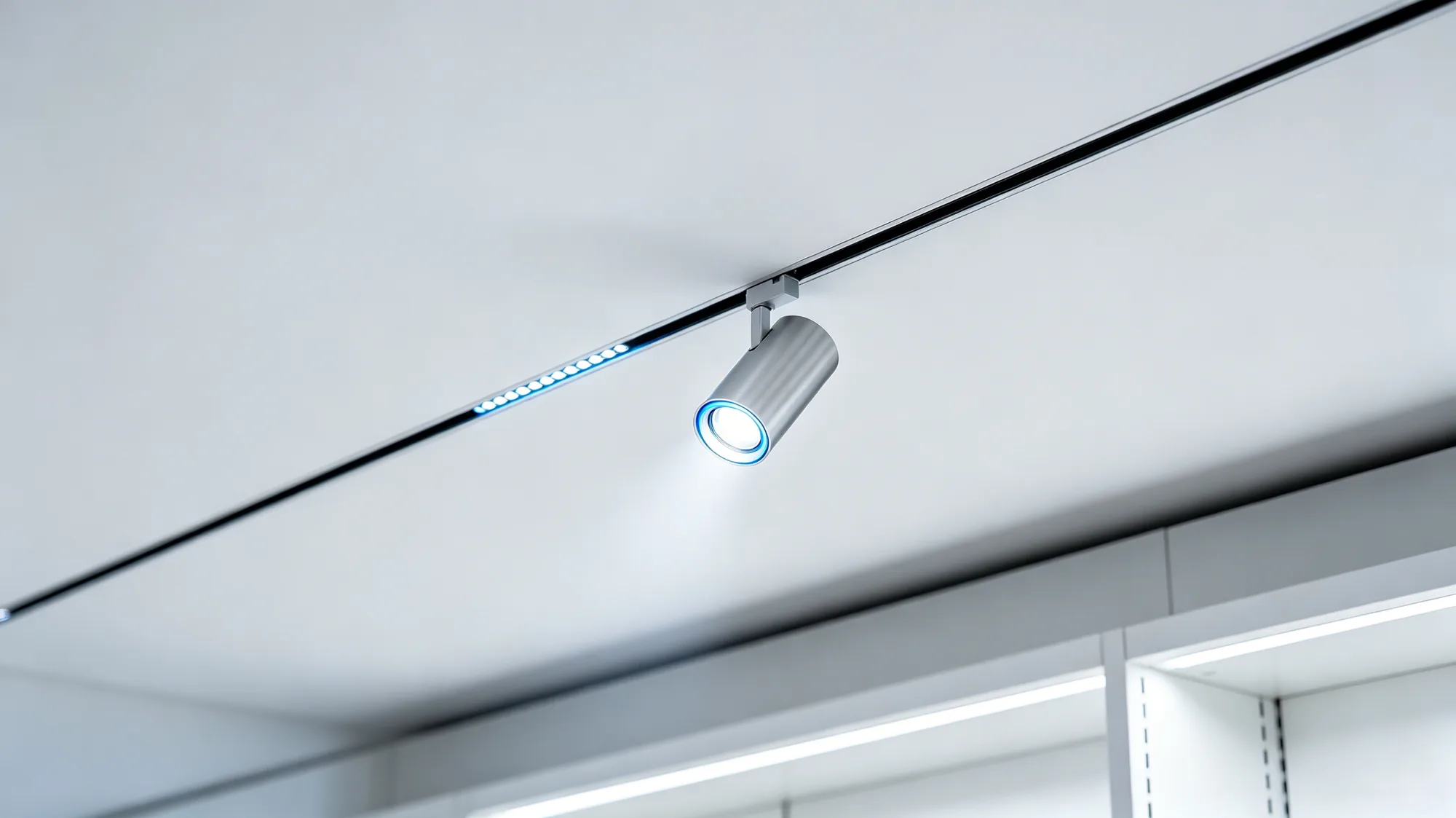
What “Wireless” Actually Means Here
This is not about Wi-Fi dimmers or Bluetooth apps. Wireless track lighting means the track itself carries power — no wires inside the rail, no conduit, no junction boxes at every bend. ARMOR’s conductive tracks run 48V DC through the rail profile. A lamp snaps in, touches the conductive surface, and lights up immediately. A store employee can relocate it in under three seconds without tools or an electrician. 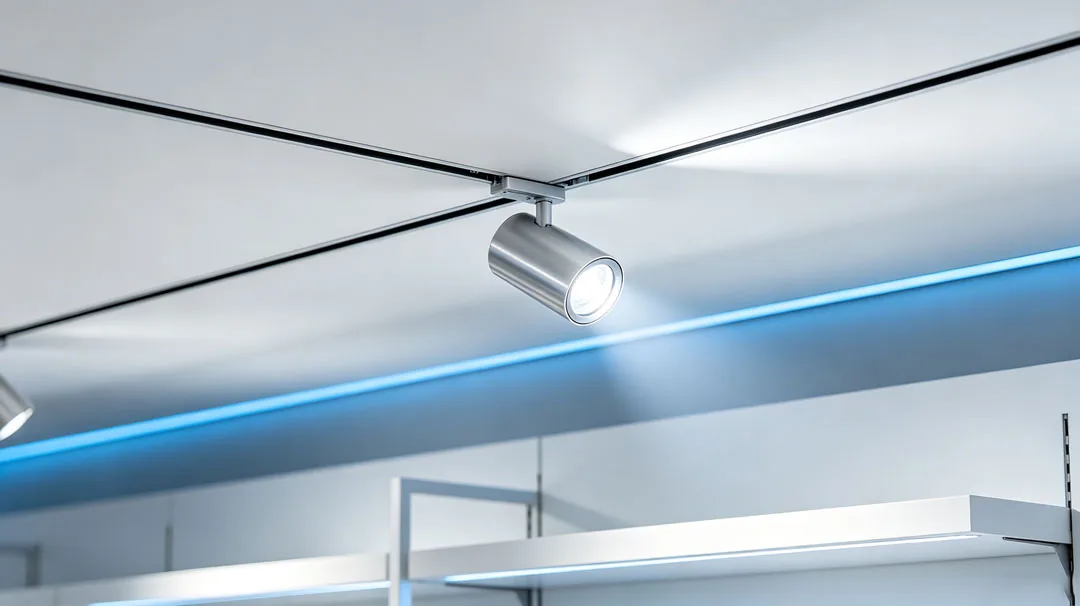
Three Operational Shifts
Layout agility. Seasonal displays, new product launches, and promotional zones no longer wait for contractor availability. A store manager repositions lighting during opening hours, tests the effect, and adjusts again if needed. Fixture standardization. One track powers spotlights for handbags, linear strips for shelves, and pendant drops for checkout zones. Procurement manages one SKU family instead of five incompatible systems from different vendors. Future-proofing. When LED technology shifts — higher CRI, tunable whites, integrated sensors — only the lamps change. The track stays. A conductive infrastructure installed in 2026 will still accept lamps designed in 2035. 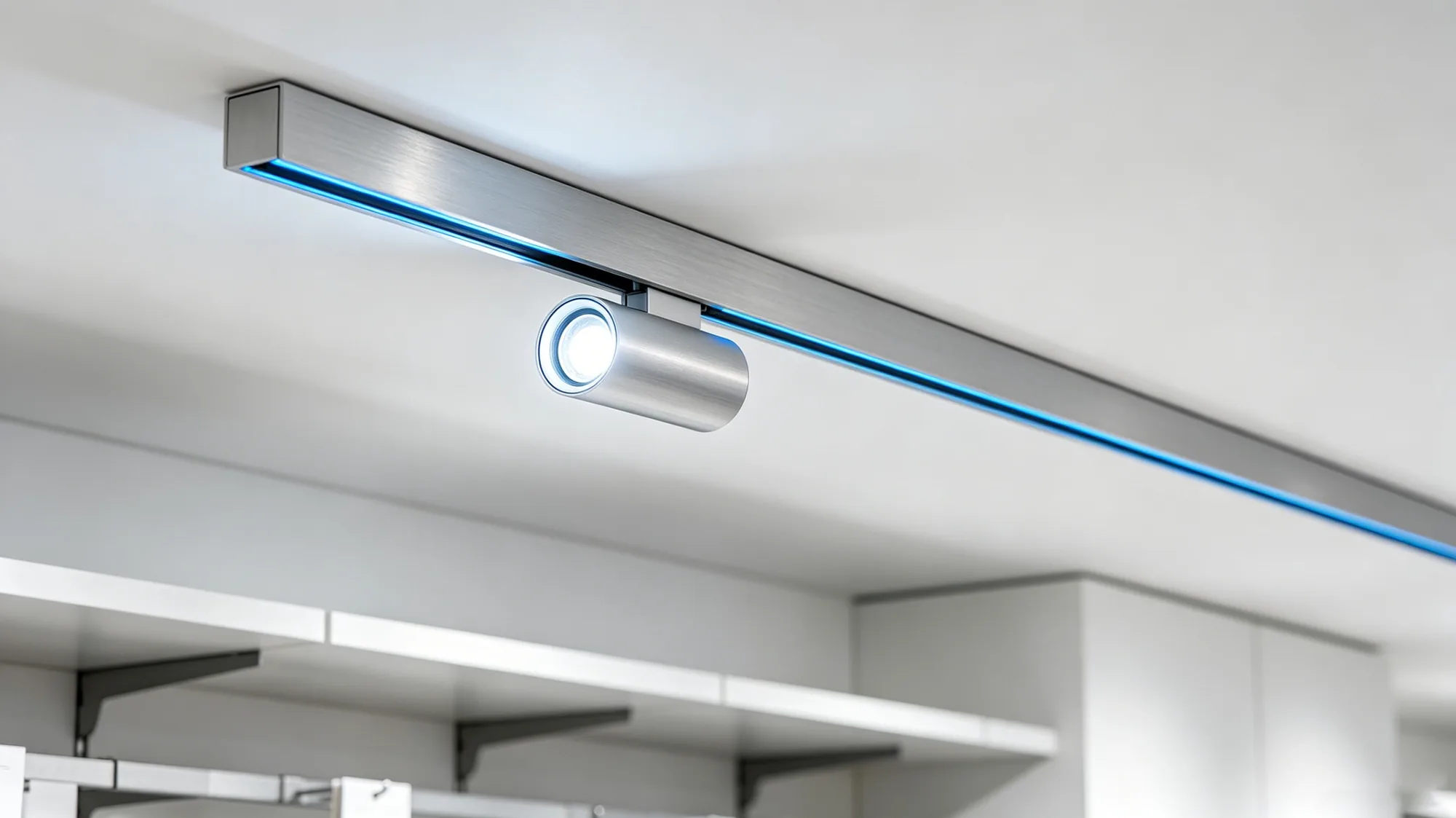
The Numbers That Matter
| Metric | Traditional Track | Wireless Conductive Track |
|---|---|---|
| Installation time (200m²) | 5–7 days | 1–2 days |
| Lamp repositioning cost | $80–150 per move | $0 (staff-operated) |
| System lifespan before obsolescence | 5–7 years | 15+ years (track only) |
| Compatibility with future LED gens | Low | High |
What Buyers Should Verify
Not every product marketed as “wireless” works the same way. Ask:
- Does the track itself conduct power, or does it conceal wires inside?
- What is the maximum load per meter?
- Are safety certifications (CE, UL, CCC) held for the complete system, not just the lamps?
- Can third-party lamps from other brands fit the track, or is it a closed ecosystem?
ARMOR’s wireless track systems are CE-certified, support up to 300W per 3-meter section, and use an open-profile design compatible with standard adapters.
Conclusion
Wireless conductive track lighting is moving from a niche option to a category standard. For retailers planning new builds or renovations in 2026, specifying this technology is less about novelty and more about operational flexibility and total cost of ownership.
Related Product Families
- Power Track Systems
Browse ARMOR power track system products for modular, conductive, and magnetic retail fixture lighting.
Power Track →
Planning a Power Track Project?
Need help applying this power track approach to your fixture?
If you're evaluating Power Track, fixture power distribution, or conductive track for a fixture, tell us what you're working on.
Related to what you're reading